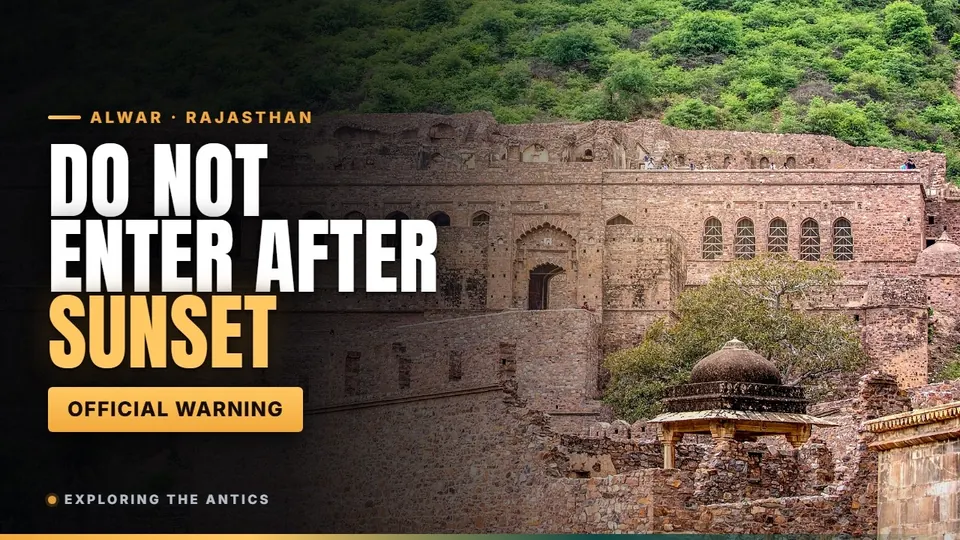
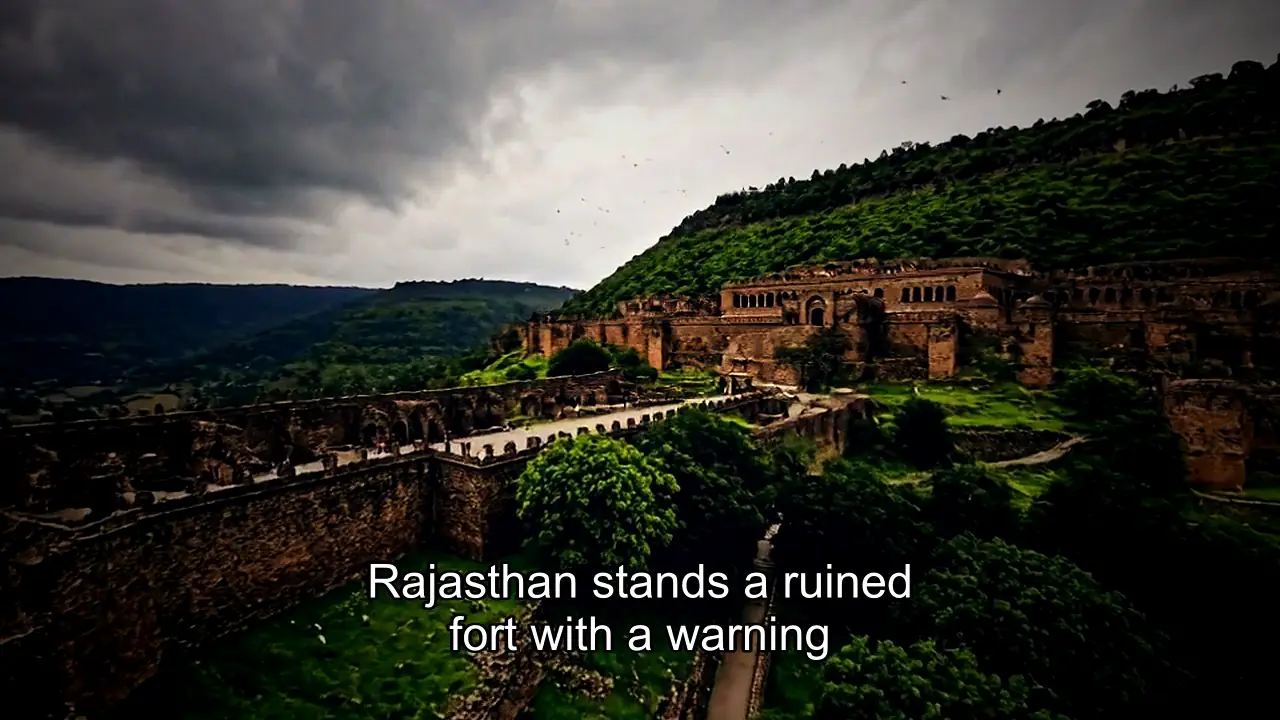
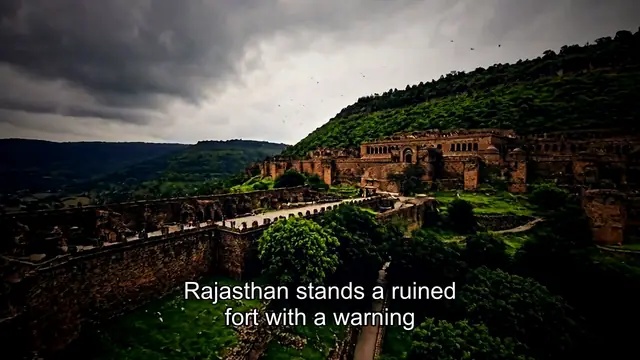
On the edge of a tiger reserve in Rajasthan stands a ruined fort with a warning unlike any other. A government signboard at its gate forbids anyone from entering before sunrise or after sunset. Welcome to Bhangarh, often called the most haunted place in India.
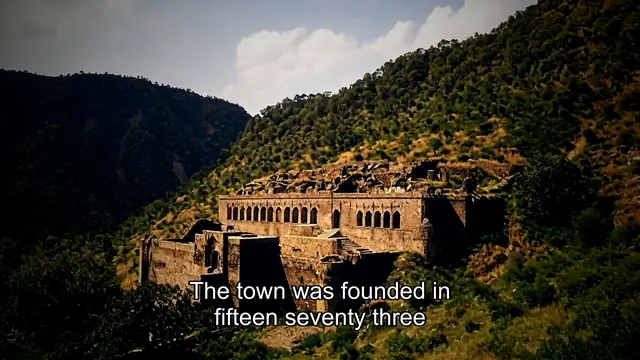
Bhangarh lies in the Alwar district, on the border of the Sariska Tiger Reserve. The town was founded in fifteen seventy three by Raja Bhagwant Das of Amber, as the home of his son Madho Singh, the brother of the great general Man Singh.
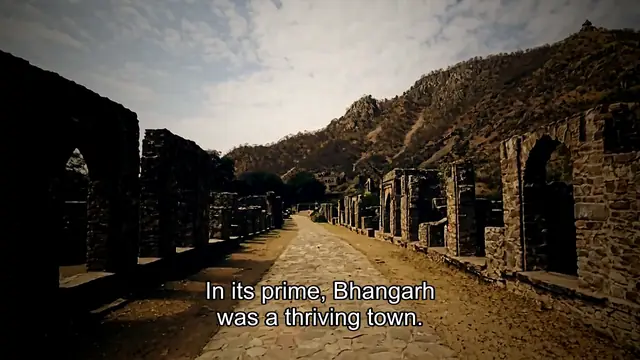
In its prime, Bhangarh was a thriving town. It had temples, palaces, grand havelis, and a long market street lined with shops, all protected by gates and walls.
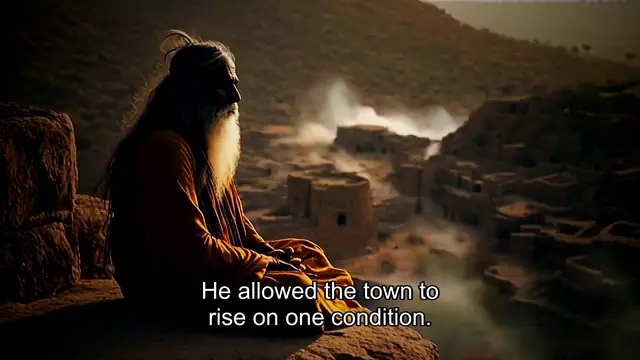
But the town, the legend says, was built on a promise. A holy man, remembered as Guru Balu Nath, lived on this hillside. He allowed the town to rise on one condition. No building could be taller than his home, and no shadow could ever fall upon it.
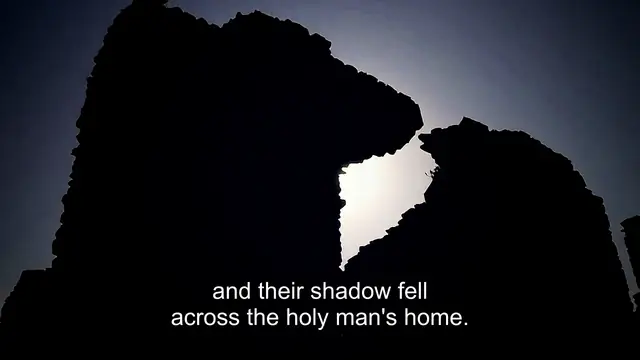
Years later, new structures rose higher, and their shadow fell across the holy man's home. In that moment, the legend says, Bhangarh was cursed, and the town was doomed to ruin.

There is a second, darker legend. It tells of a beautiful princess of Bhangarh, often called Ratnavati. A tantric sorcerer, often named Singhia, fell in love with her, knowing he could never win her hand.
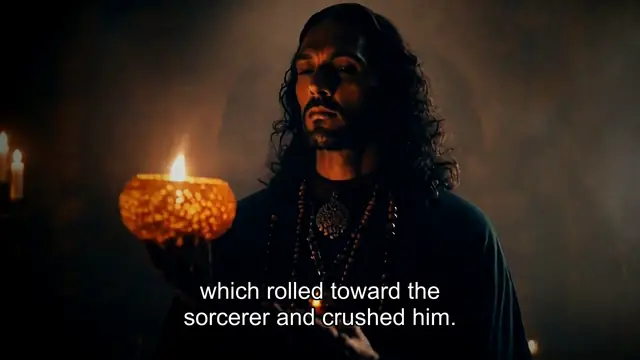
He enchanted a potion meant for the princess, so that she would fall under his spell. But she saw through the trick. She poured the potion onto a large rock, which rolled toward the sorcerer and crushed him.
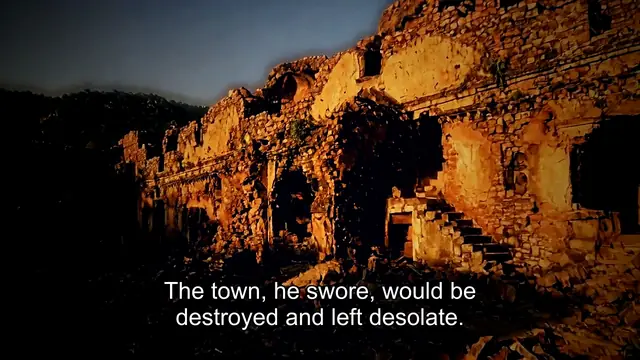
With his dying breath, the sorcerer cursed Bhangarh. The town, he swore, would be destroyed and left desolate. And according to the legend, ruin soon followed.
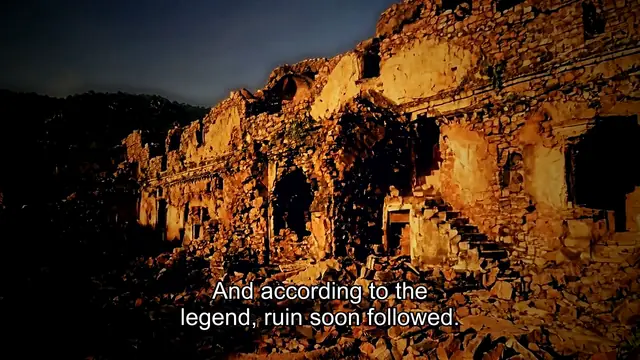
Today, the houses of Bhangarh stand roofless. Locals claim that whenever a roof is built here, it soon collapses. And yet, many of its temples, like the Gopinath temple, still stand almost whole.
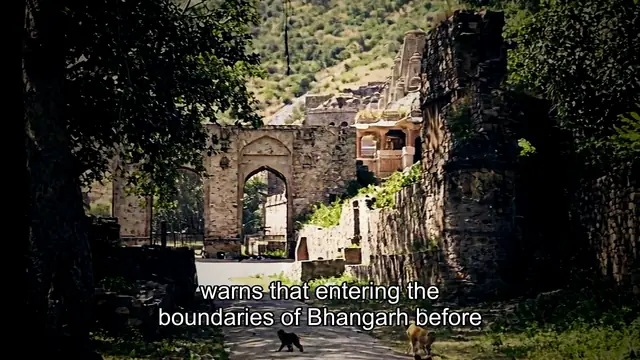
And then there is the signboard. Placed by the Archaeological Survey of India, it warns that entering the boundaries of Bhangarh before sunrise and after sunset is strictly prohibited, and that legal action will be taken against anyone who disobeys.
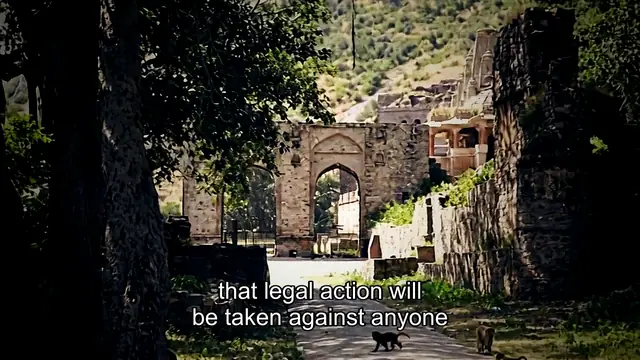
Visitors and villagers speak of footsteps, distant music, and the feeling of being watched among the ruins. Whatever the truth, few would dare to test the warning by staying after dark.
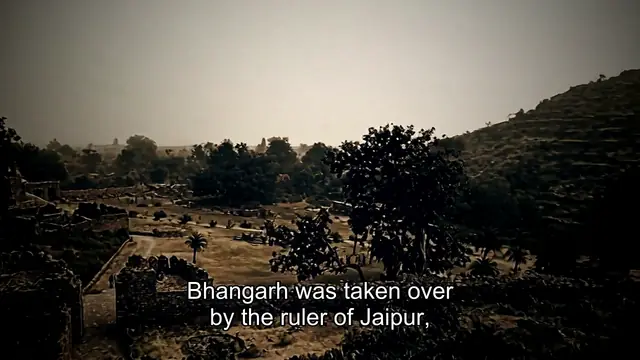
Historians tell a simpler story. In seventeen twenty, Bhangarh was taken over by the ruler of Jaipur, and its population began to fall. After a terrible famine in seventeen eighty three, the town was abandoned. But for many, the legend is far more convincing than history.
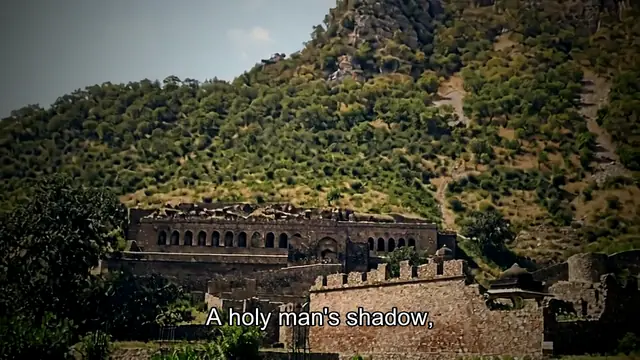
A holy man's shadow, a sorcerer's curse, or simply time and famine?