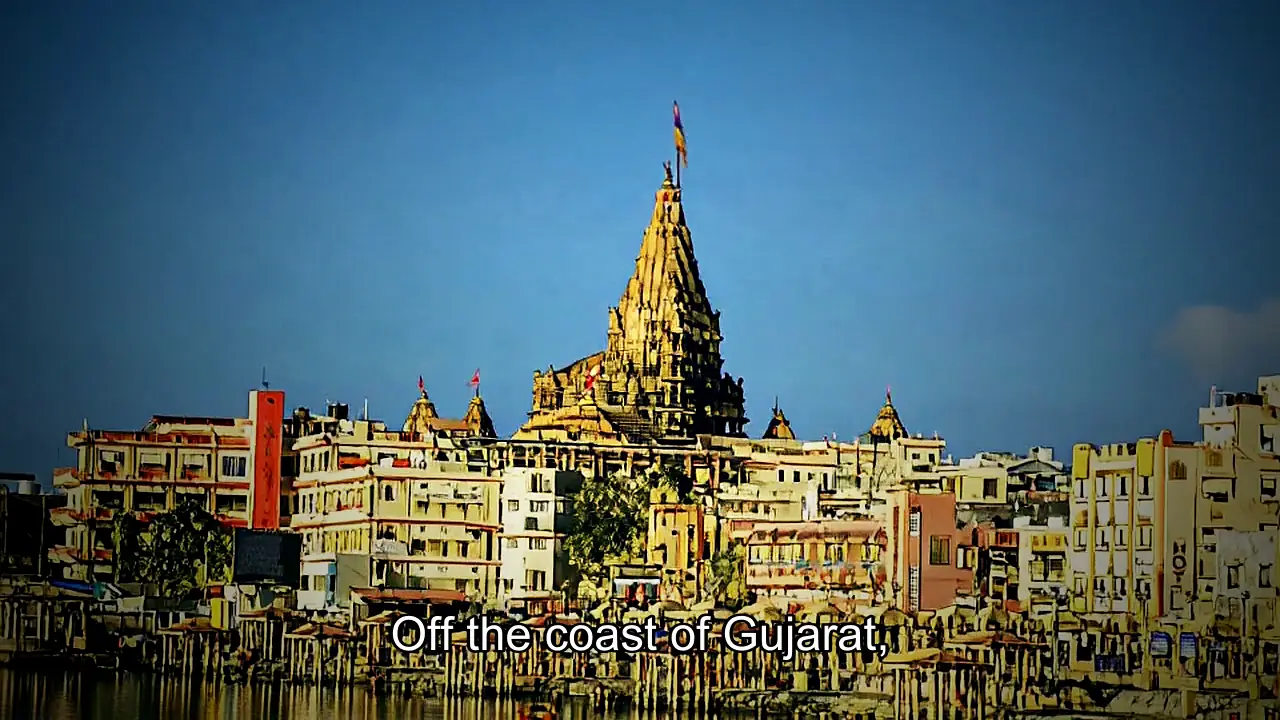
Ancient texts describe a magnificent city built by Lord Krishna on the edge of the sea. They also say that one day, the sea rose up and swallowed it. Off the coast of Gujarat, divers have found stone ruins beneath the waves. Could this be the lost city of Dwarka?
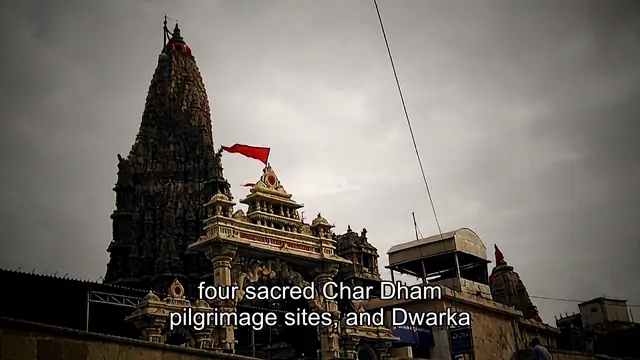
Today, Dwarka is a coastal town in Gujarat, on the banks of the Gomti River where it meets the Arabian Sea. Its great Dwarkadhish Temple is one of the four sacred Char Dham pilgrimage sites, and Dwarka is one of the seven holiest cities in Hinduism.
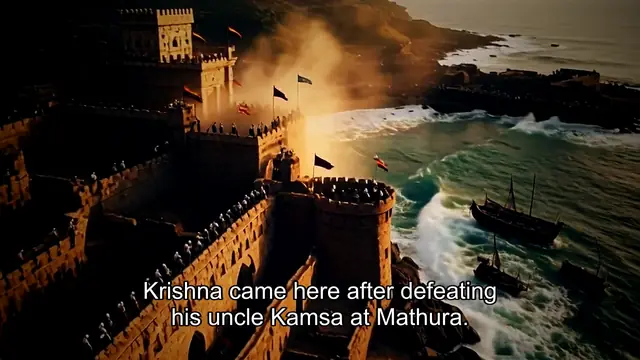
According to the Mahabharata and the Harivamsa, Krishna came here after defeating his uncle Kamsa at Mathura. The Harivamsa says the divine architect Vishwakarma built the city on land released by the ocean itself.
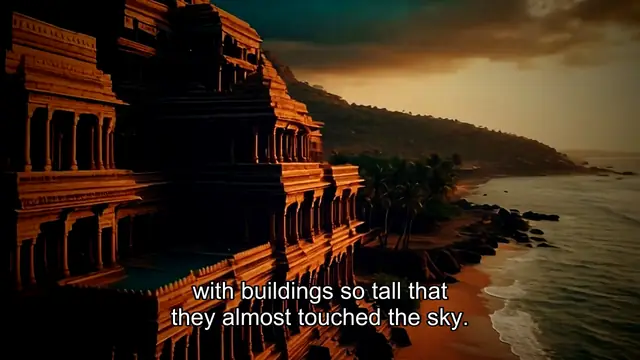
The texts describe a fortified city with strong walls, great gates, and rows of houses, with buildings so tall that they almost touched the sky. It was the capital of the Yadavas, and the home of Krishna.
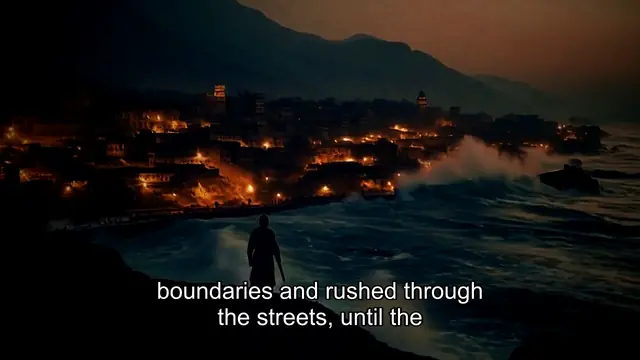
But the Mahabharata also tells of its end. After Krishna's time on earth was over, the warrior Arjuna watched as the sea broke its boundaries and rushed through the streets, until the beautiful buildings disappeared, one by one, beneath the waves.
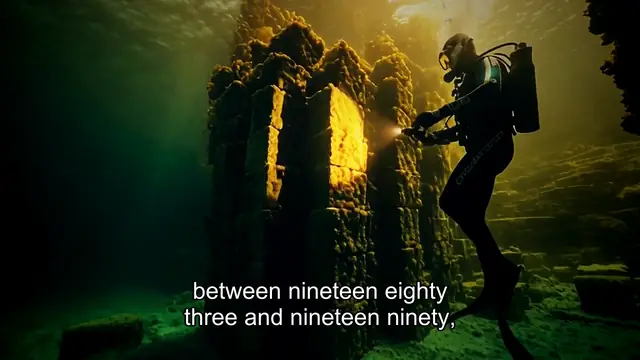
For centuries, this was only a story. Then, between nineteen eighty three and nineteen ninety, a team from India's National Institute of Oceanography, led by the archaeologist S. R. Rao, began diving in the waters off Dwarka.
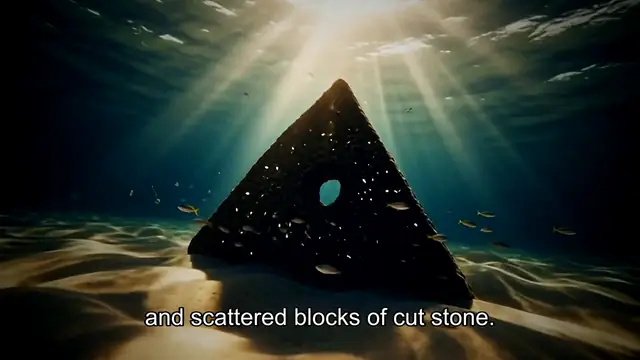
Beneath the sea, they reported stone walls, fort bastions, and scattered blocks of cut stone. They also found many stone anchors, shaped like triangles with three holes, once used by ships that came to trade here.
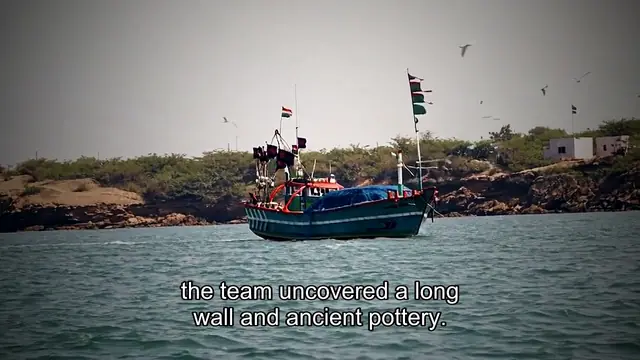
Across the water, on the island of Bet Dwarka, the team uncovered a long wall and ancient pottery. One piece of pottery was dated to around fifteen hundred years before Christ, more than three thousand five hundred years ago.
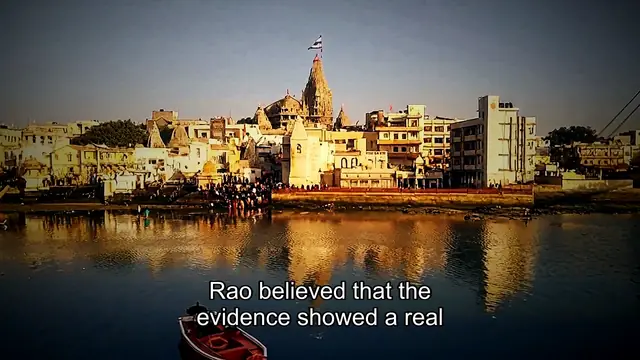
Rao believed that the evidence showed a real city here around fifteen hundred BCE, and he felt it was reasonable to link it with the Dwarka of the Mahabharata.
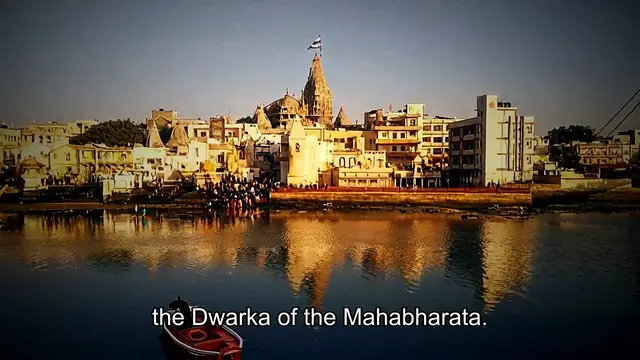
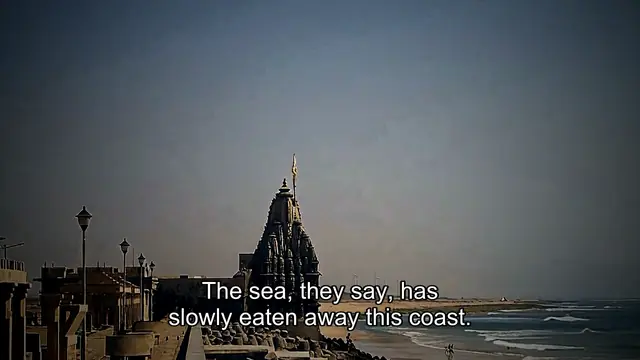
But not every scientist agrees. Later researchers from the same institute studied the underwater structures again, and suggested that many of them may be much younger, from historical or even medieval times. The sea, they say, has slowly eaten away this coast.
You may have also heard of a nine thousand year old city under the sea. That claim comes from a different place, the Gulf of Khambhat, in two thousand one, and many archaeologists strongly dispute it.
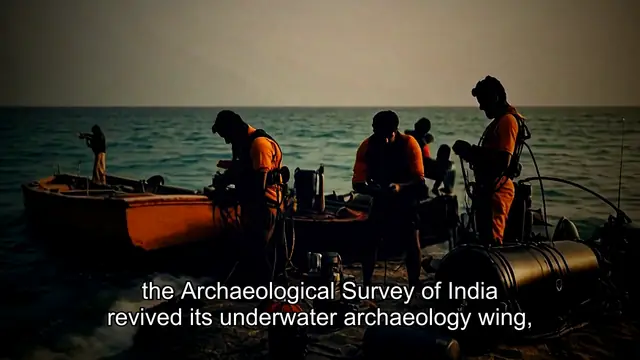
The search is far from over. In two thousand twenty five, the Archaeological Survey of India revived its underwater archaeology wing, and sent new teams of divers, including women archaeologists, to explore the waters off Dwarka and Bet Dwarka.
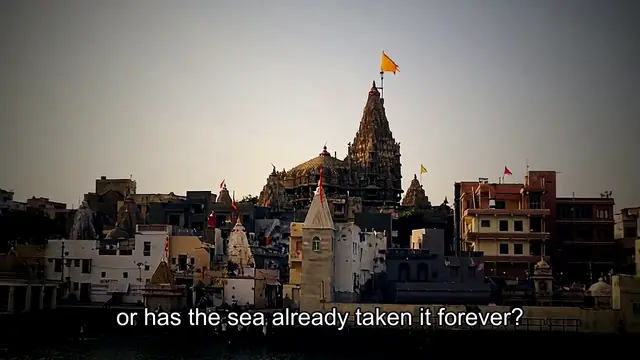
So is Krishna's city waiting beneath the waves, or has the sea already taken it forever?