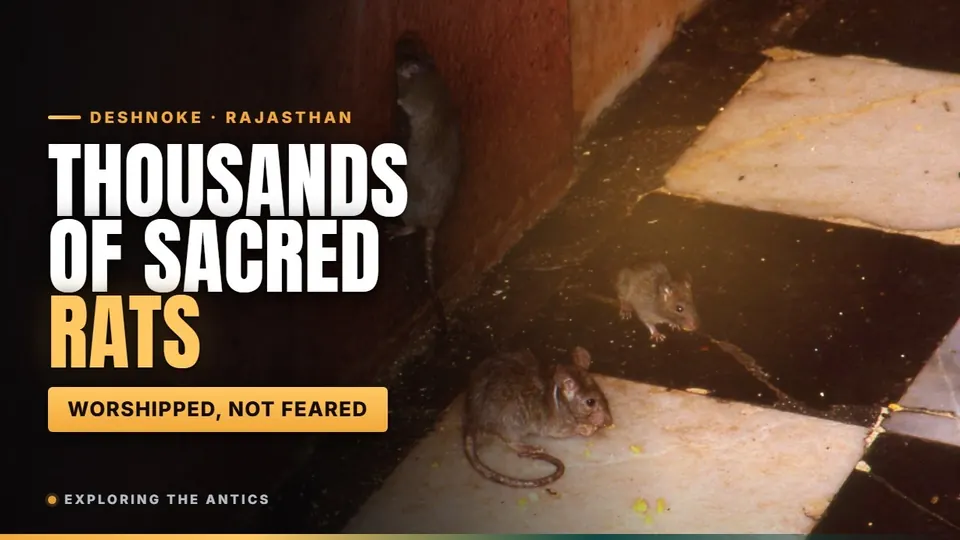
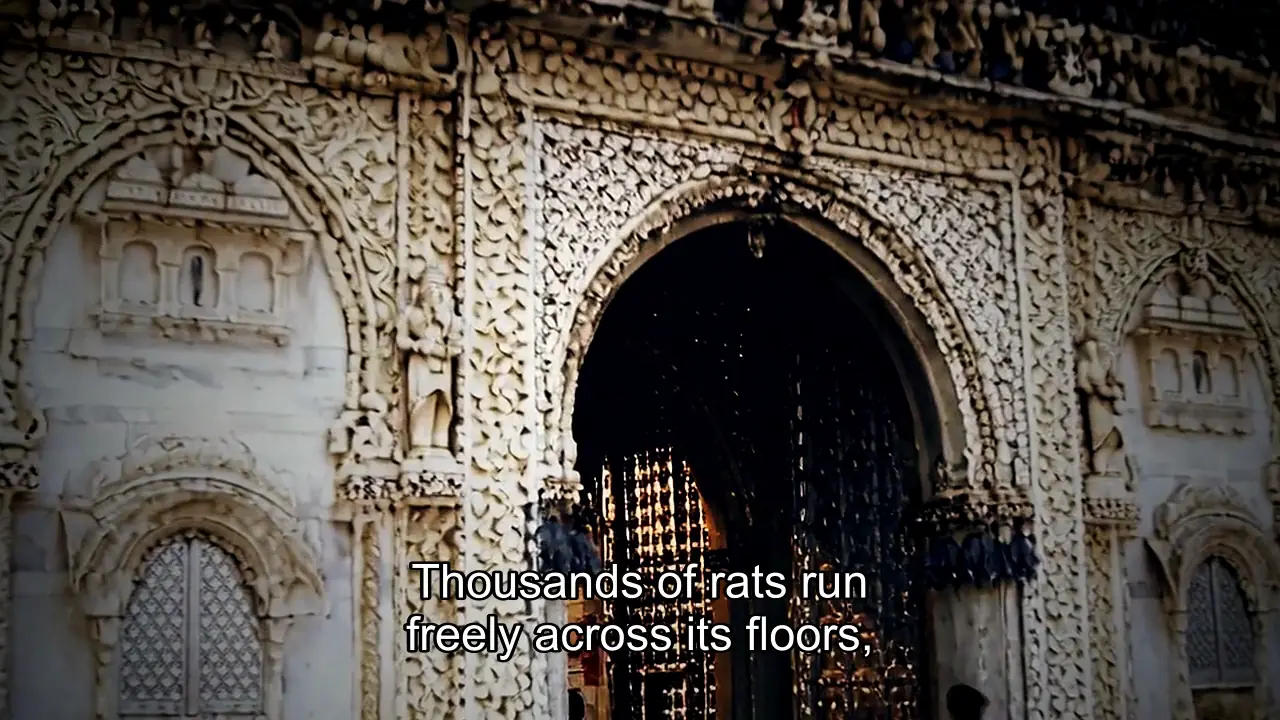
In a small town in Rajasthan stands a temple unlike any other on earth. Thousands of rats run freely across its floors, its walls, and its sacred shrines. But to the people who worship here, these are not pests. They are holy. They are family. Welcome to the Karni Mata Temple.

The temple stands in Deshnoke, about thirty kilometres south of Bikaner. It is dedicated to Karni Mata, a female sage born in the fourteenth century, who is worshipped as an incarnation of the goddess Durga. Tradition says she founded Deshnoke herself.
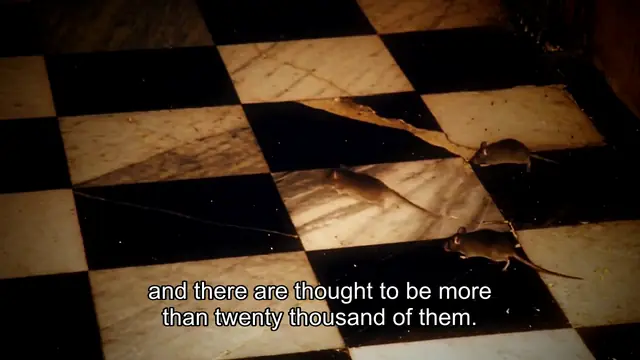
The rats that live here are called kabas, and there are thought to be more than twenty thousand of them. According to believers, they are not ordinary rats. They are the souls of Karni Mata's devotees, waiting to be reborn. To harm even one of them is unthinkable.

The legend begins with a tragedy. Karni Mata's stepson, Laxman, drowned in the sacred lake of Kapil Sarovar at Kolayat. Heartbroken, she went to Yama, the god of death, and begged him to give the boy back.

Yama refused. But Karni Mata, the legend says, brought Laxman back to life anyway. Then she made a vow. Her people would never again go to Yama. When they died, they would be reborn as rats in her temple, and later return as humans once more.
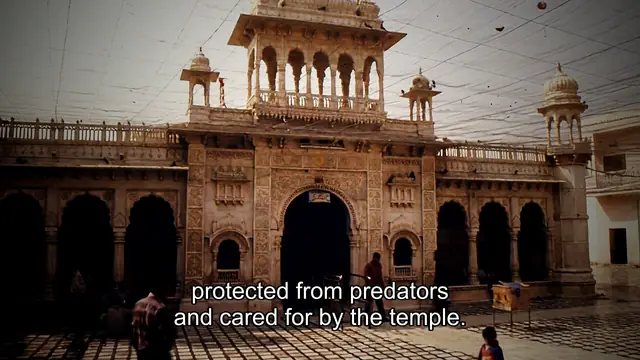
And so, for centuries, the kabas have lived here, protected from predators and cared for by the temple. Devotees bring them grain, milk, and sweets. Food that the rats have nibbled is considered a blessing to eat.
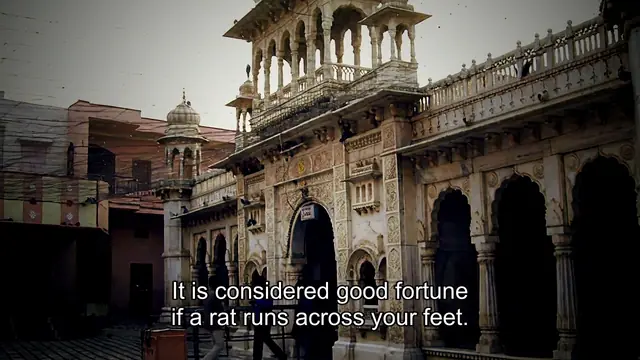
Pilgrims come from across India to pray here. It is considered good fortune if a rat runs across your feet. Some worshippers even believe that the rats' saliva has the power to heal.
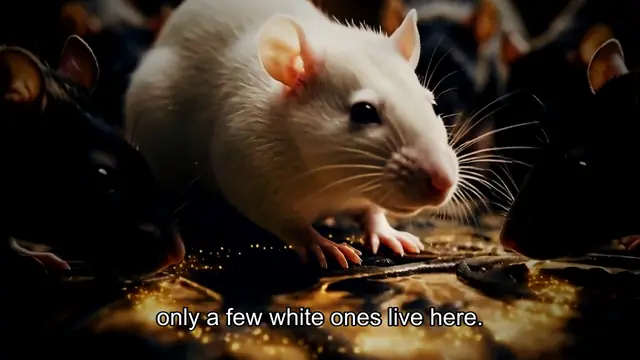
The greatest blessing of all is to see a white rat. Among the thousands of dark kabas, only a few white ones live here. They are believed to be Karni Mata herself and members of her family. To glimpse one is said to bring extraordinary luck.
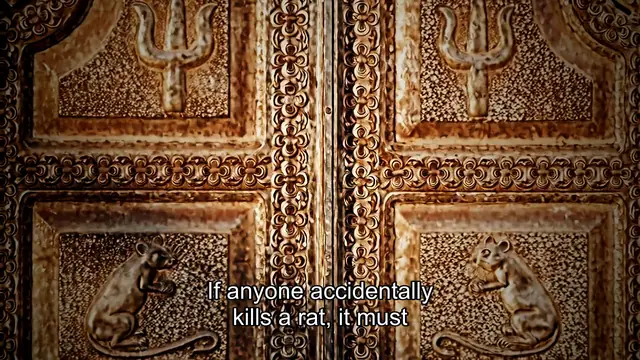
Temple rules are strict. If anyone accidentally kills a rat, it must be replaced with a rat made of solid silver or gold. Even the temple's great doors are made of solid silver.
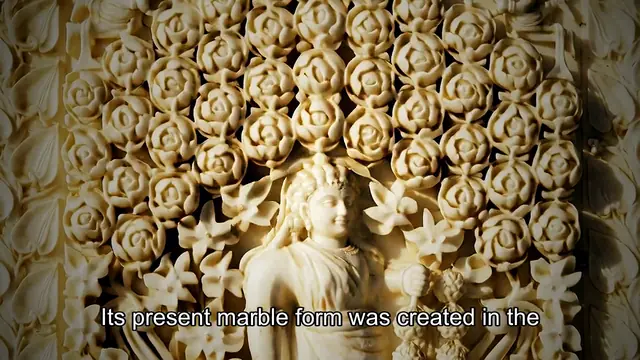
The temple was first built around five hundred years ago, after Karni Mata's death. Its present marble form was created in the early twentieth century by Maharaja Ganga Singh of Bikaner. Visitors must remove their shoes, and walk barefoot across the same floors the rats travel.
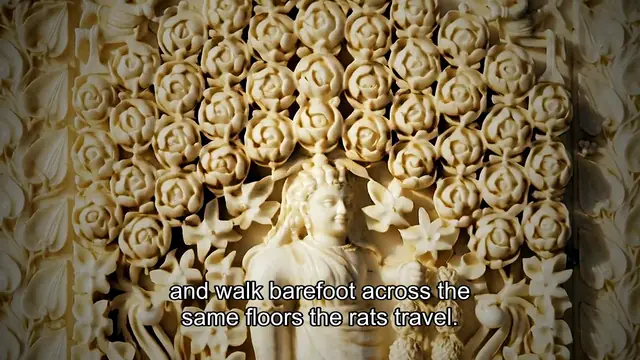
Inside, oil lamps burn before the shrine of Karni Mata, whose image was carved from yellow Jaisalmer stone. Devotees believe that she still watches over the temple, and over every single kaba within its walls.
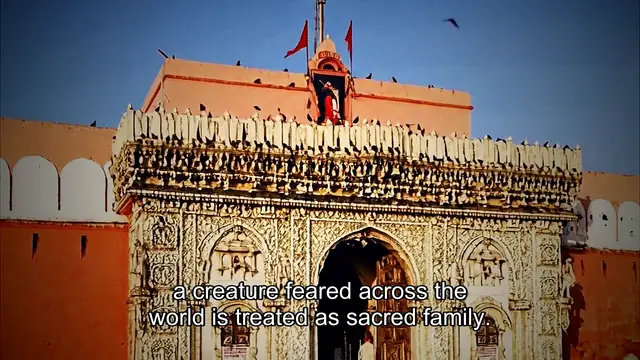
Here, a creature feared across the world is treated as sacred family. For believers, every rat is a soul on its journey, and every visit is a meeting with their own ancestors.
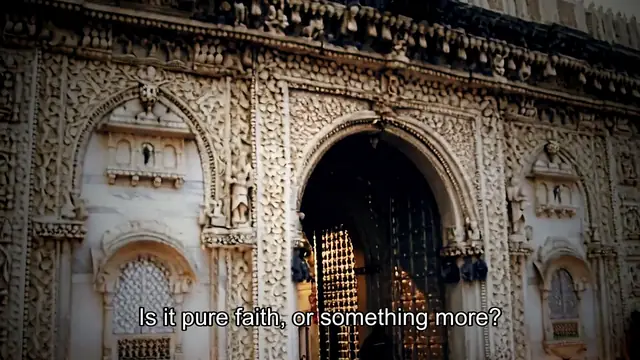
Is it pure faith, or something more?