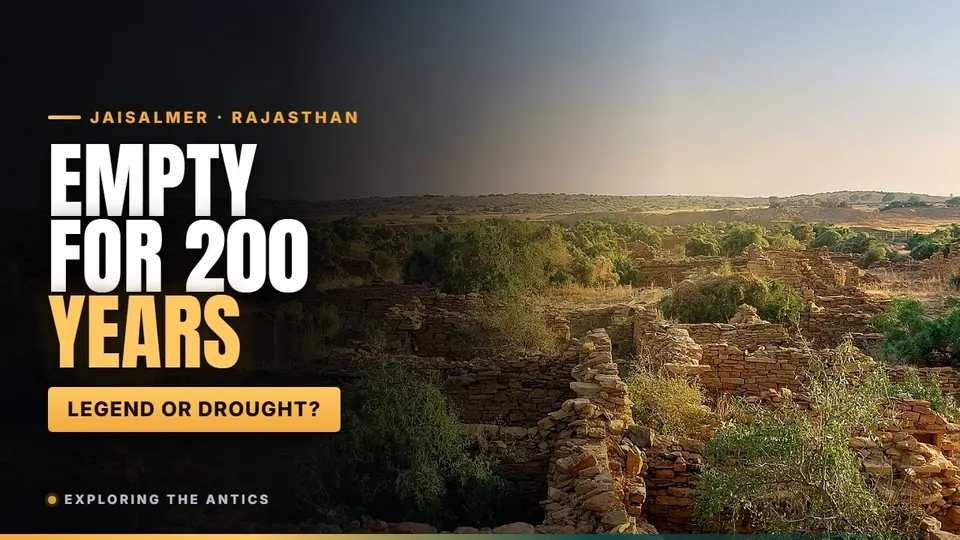
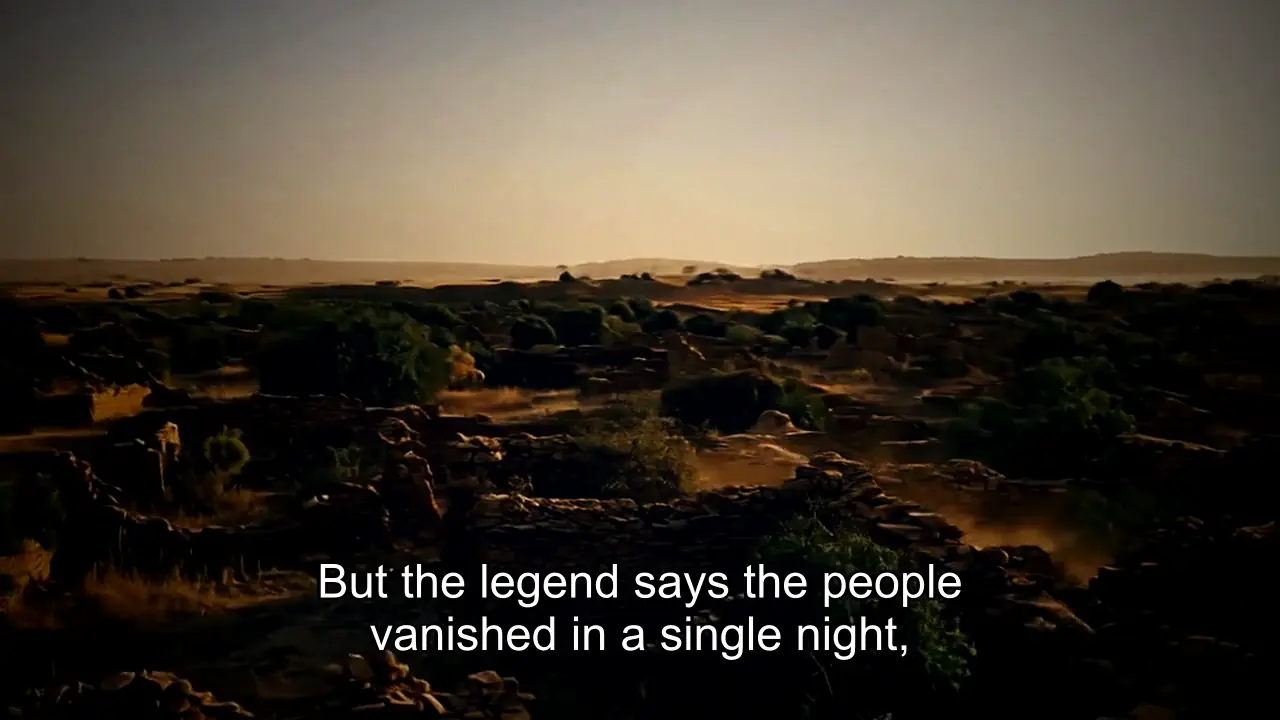
In the Thar desert of Rajasthan lies a village where no one has lived for about two hundred years. The houses still stand. The streets are still there. But the legend says the people vanished in a single night, and left behind a curse. Welcome to Kuldhara.
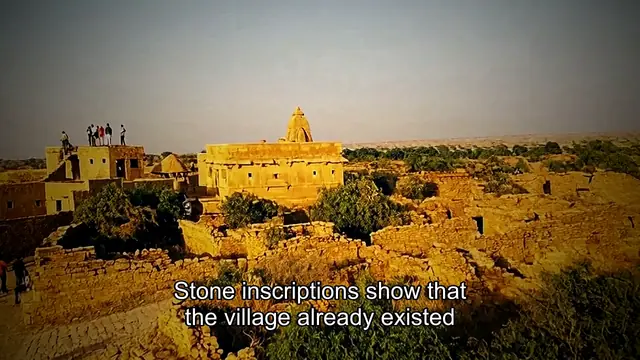
Kuldhara lies about eighteen kilometres south west of the golden city of Jaisalmer. Stone inscriptions show that the village already existed in the early thirteenth century. Its people were Brahmins, later known as Paliwals, after the region of Pali from which they came.
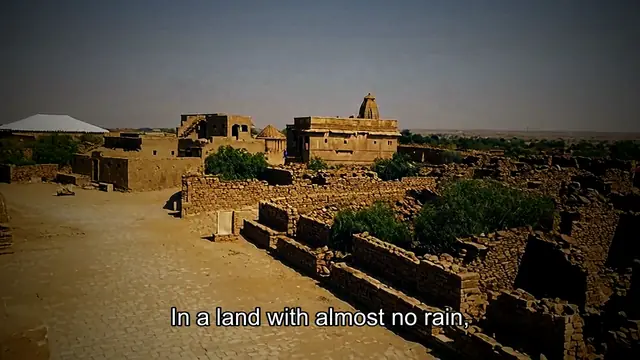
The Paliwals were remarkably skilled. In a land with almost no rain, they dug ponds, wells, and step wells to save every drop of water, and they farmed the harsh desert. Kuldhara was one of many Paliwal villages in this region.
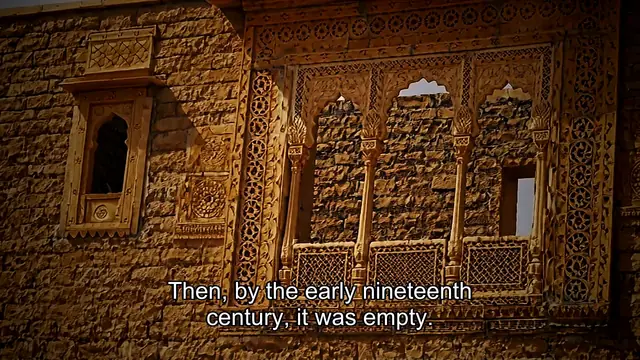
For centuries, the village survived the desert. Then, by the early nineteenth century, it was empty. And according to legend, it all began with one man.
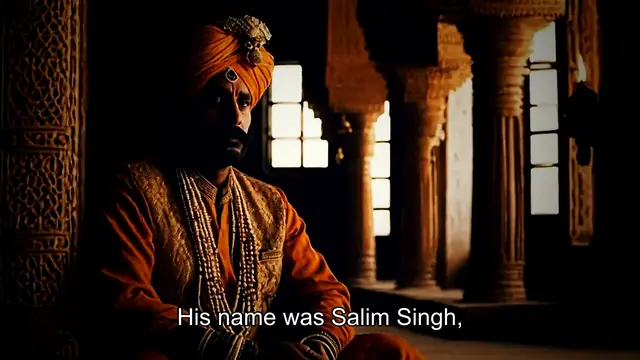
His name was Salim Singh, a powerful minister of the Jaisalmer state. The legend remembers him as cruel, and says he crushed the villagers beneath heavy taxes. And one day, it is said, his eyes fell upon the beautiful daughter of the village chief.
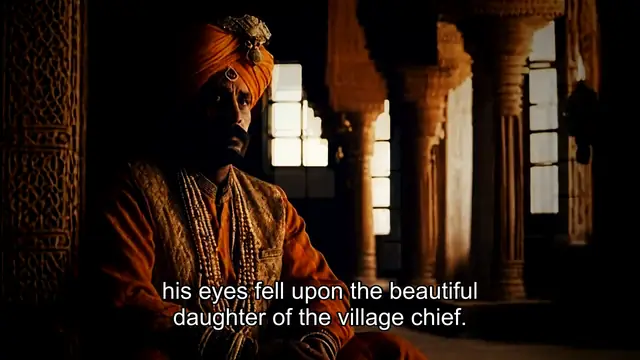
According to the story, Salim Singh demanded to marry her. He gave the villagers a deadline, and warned them that refusing him would bring terrible consequences.

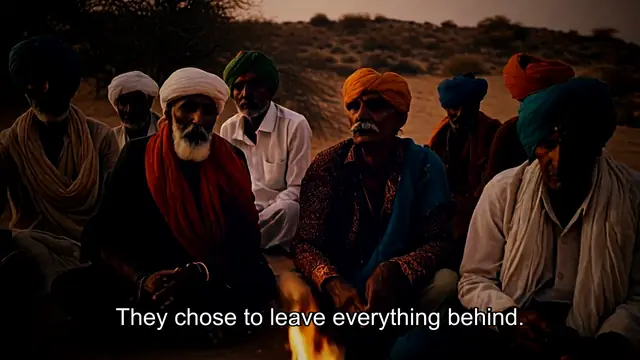
The elders of Kuldhara and the neighbouring villages gathered in secret to decide. They would not give up their daughter. And they would not live under his rule. They chose to leave everything behind.
In a single night, the legend says, the people walked out of their homes and into the darkness. They took only what they could carry. And no one is certain where they went.
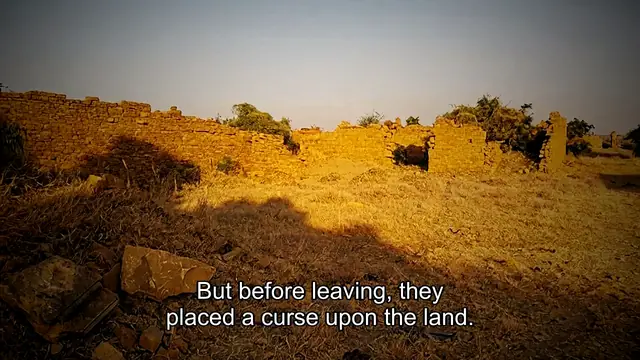
But before leaving, they placed a curse upon the land. No one, they declared, would ever be able to live in Kuldhara again. Anyone who tried would meet with misfortune.
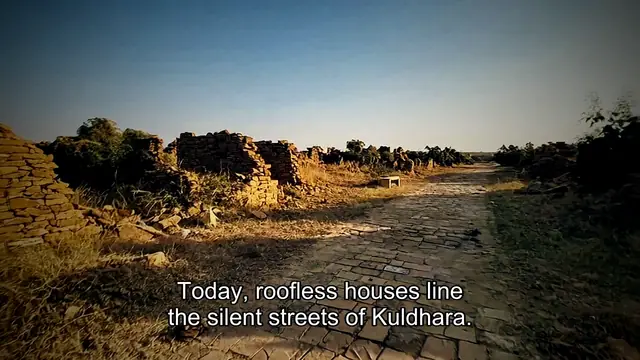
Today, roofless houses line the silent streets of Kuldhara. The village is now a tourist site, and its gates are closed at sunset. Few would want to stay here after dark anyway.
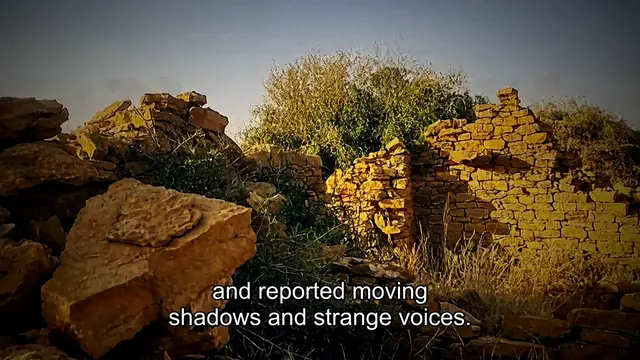
In two thousand thirteen, a team from the Indian Paranormal Society spent a night here, and reported moving shadows and strange voices. Many people from nearby villages, however, say they do not believe the ghost stories at all.
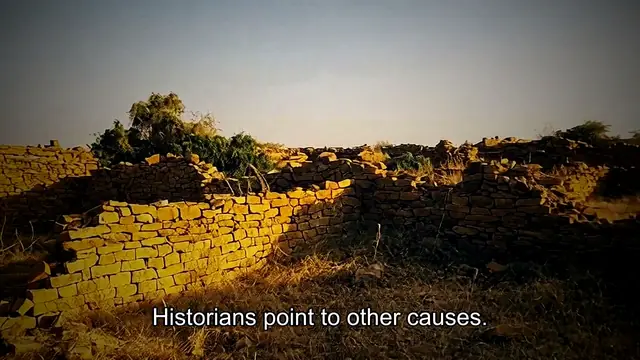
Historians point to other causes. Records show that by eighteen fifteen, most of the village wells had dried up, while taxes stayed high. The population fell slowly, not in one night. Some scientists even believe an earthquake damaged the houses. And yet, the legend refuses to fade.
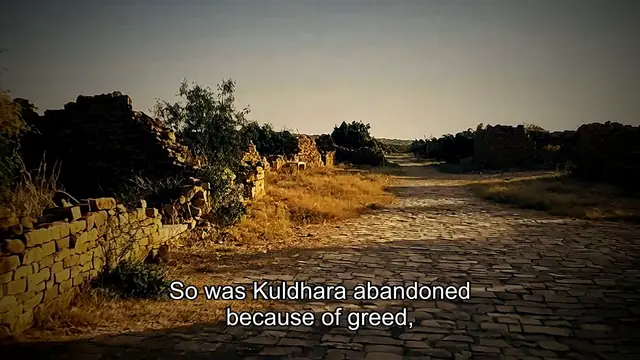
So was Kuldhara abandoned because of greed, drought, or a father who refused to give up his daughter?