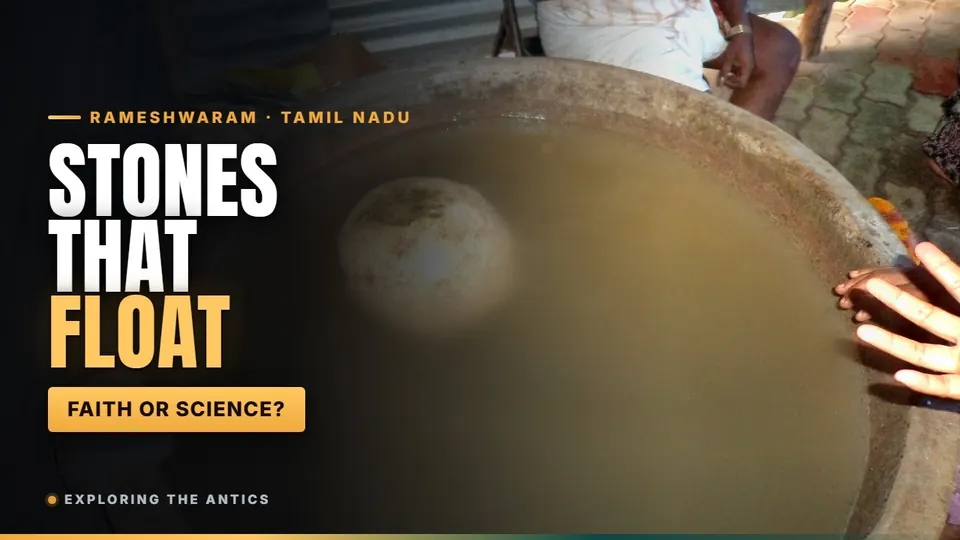
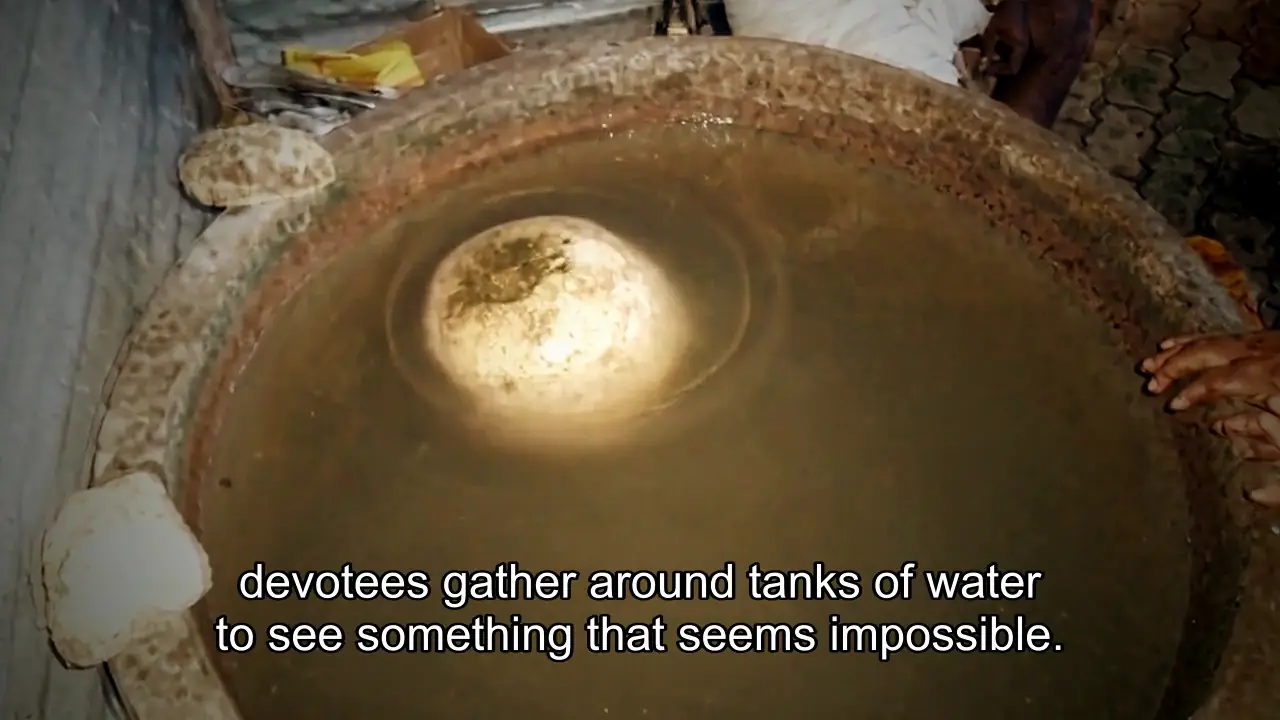
In the temple town of Rameshwaram, devotees gather around tanks of water to see something that seems impossible. Large stones, floating on the surface. Many believe these stones are connected to the legendary bridge that Lord Rama's army built to Lanka. But how can a stone float?

Rameshwaram is an island town in Tamil Nadu, at the southern tip of India. Its great Ramanathaswamy Temple is one of the twelve Jyotirlingas of Lord Shiva, and one of the four Char Dham pilgrimage sites. Tradition says that Rama himself worshipped Shiva here before crossing the sea.

In the Ramayana, Rama's army of vanaras reached the southern shore while searching for Sita, who had been carried away to Lanka by Ravana. Between them and Lanka lay the open sea.

According to the Valmiki Ramayana, the god of the ocean told Rama that a vanara named Nala, the son of the divine architect Vishwakarma, could build a bridge across the water. And so the great work began.

Valmiki describes how the vanaras carried huge rocks, trees, and reeds to the shore, and used long cords to keep the bridge in a straight line. In just five days, the bridge was complete, shining across the sea like the Milky Way.

Valmiki's text does not say that the stones floated. That idea comes from later retellings. In Tulsidas's Ramcharitmanas, Nala and his brother Nila are said to have the power to make stones float. And in popular stories, the vanaras wrote Rama's name on each stone, so that it would not sink.
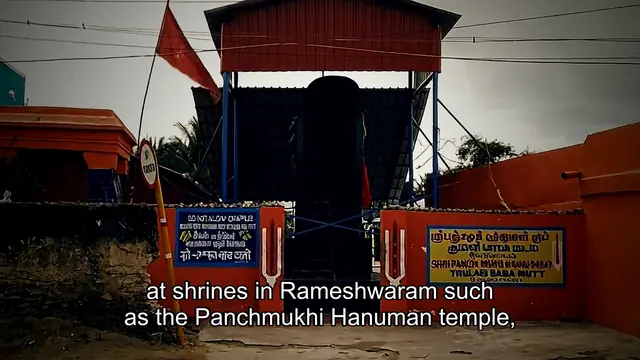
Today, at shrines in Rameshwaram such as the Panchmukhi Hanuman temple, floating stones are kept in water for devotees to see. Many visitors believe that these stones are pieces of that ancient bridge.
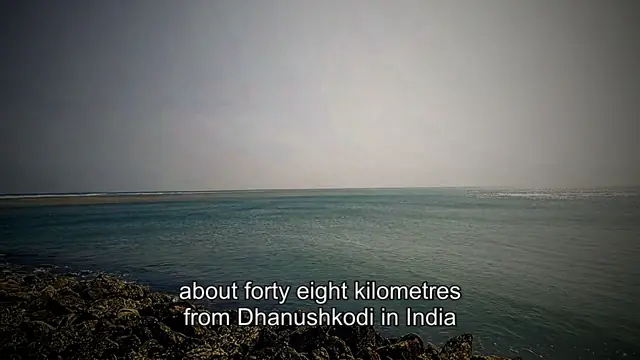
Beyond the shore, a chain of shoals stretches about forty eight kilometres from Dhanushkodi in India to Mannar Island in Sri Lanka. Many devotees call it Rama Setu. Geologists describe it as a natural chain of limestone shoals, and the debate over its origin continues.
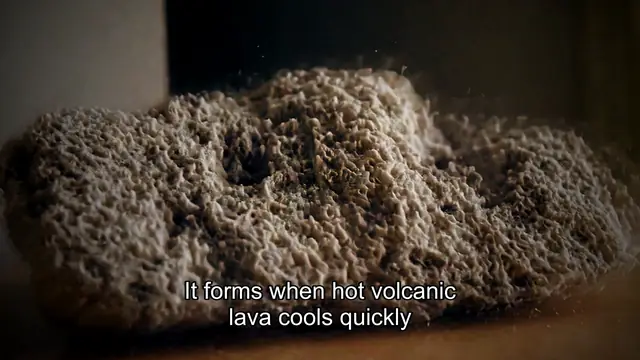
So why do these stones float? Scientists point to a rock called pumice. It forms when hot volcanic lava cools quickly and traps countless bubbles of gas. The stone becomes so full of air that it is lighter than water, and floats.
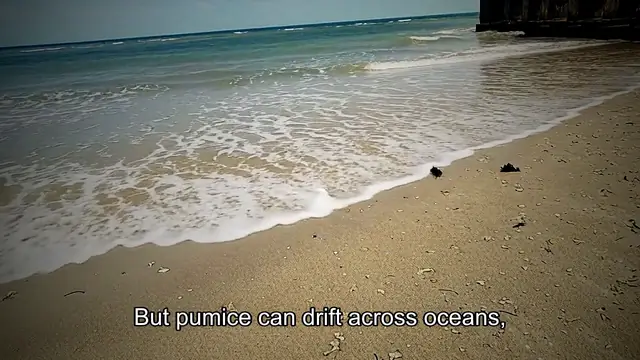
There is no volcano near Rameshwaram. But pumice can drift across oceans, and some kinds of coral are also full of tiny air-filled holes. When a stone taken from Rameshwaram to Banapur in Odisha was examined, it was found to be porous, full of holes filled with air.
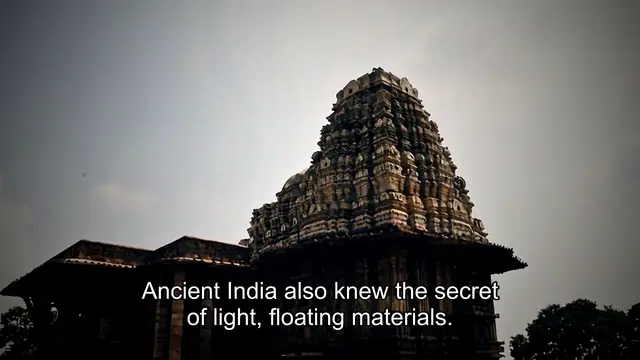
Ancient India also knew the secret of light, floating materials. At the Ramappa Temple in Telangana, a UNESCO World Heritage Site, the tower was built with lightweight porous bricks, famously known as floating bricks.
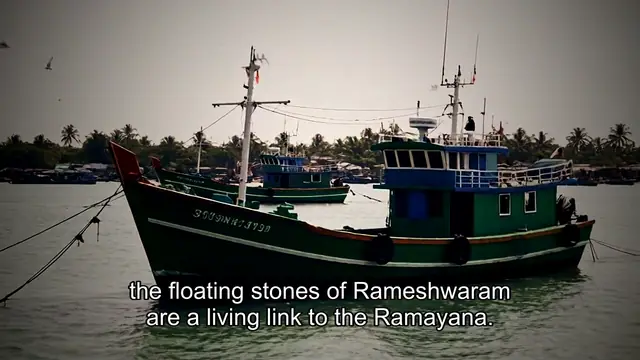
For believers, the floating stones of Rameshwaram are a living link to the Ramayana. For scientists, they are a lesson in how air and stone can work together. Either way, they continue to amaze everyone who sees them.

Is it faith, science, or both?